



Biomechanical Absurdism: Decoding Fallen Rat
In a contemporary landscape often saturated with hyper-realistic digital rendering, the tactile precision of traditional ink on paper carries a unique, grounding weight. This tension between the organic and the synthetic is executed with compelling whimsy in the self-made ink drawing titled Fallen Rat.
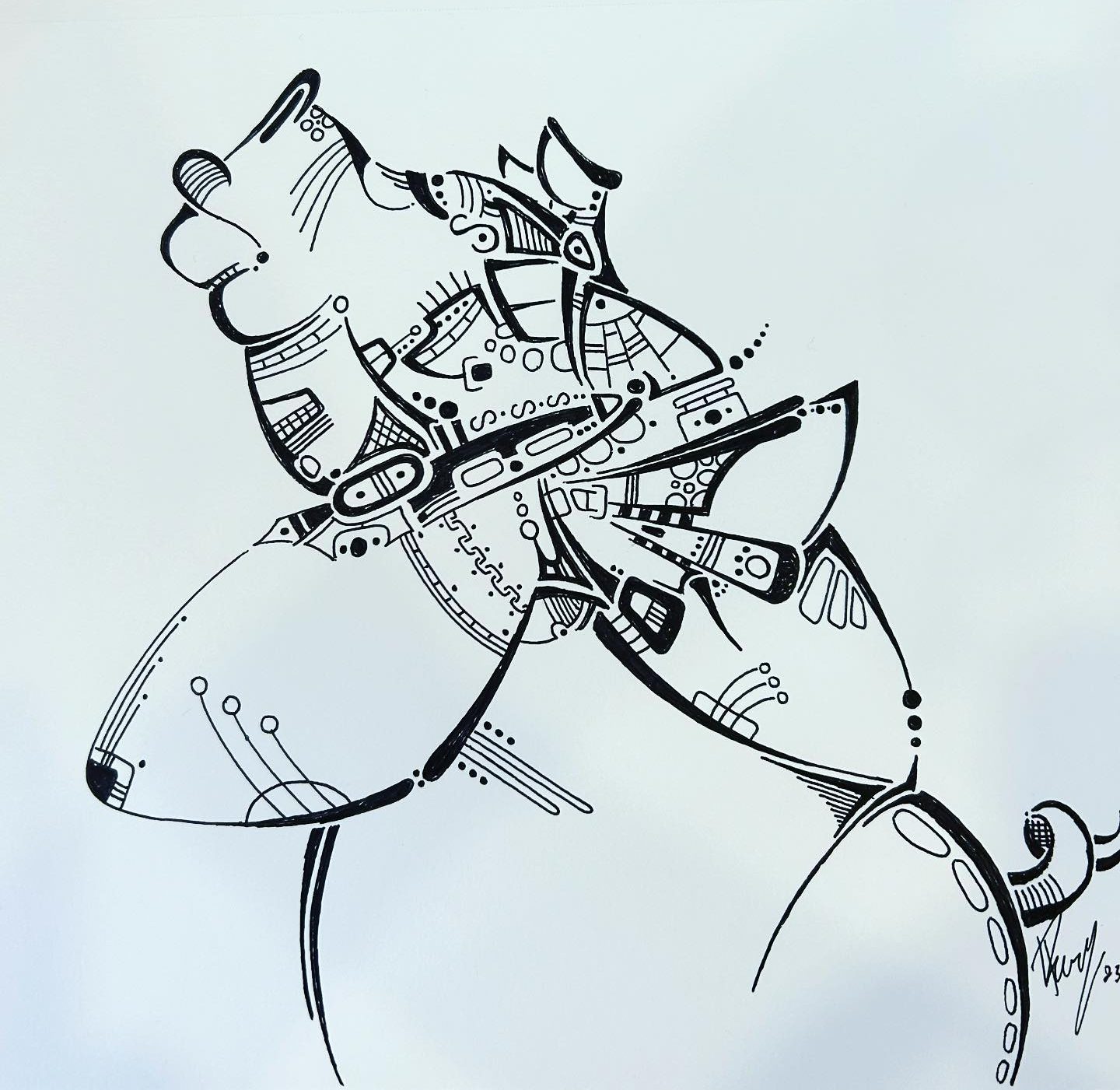
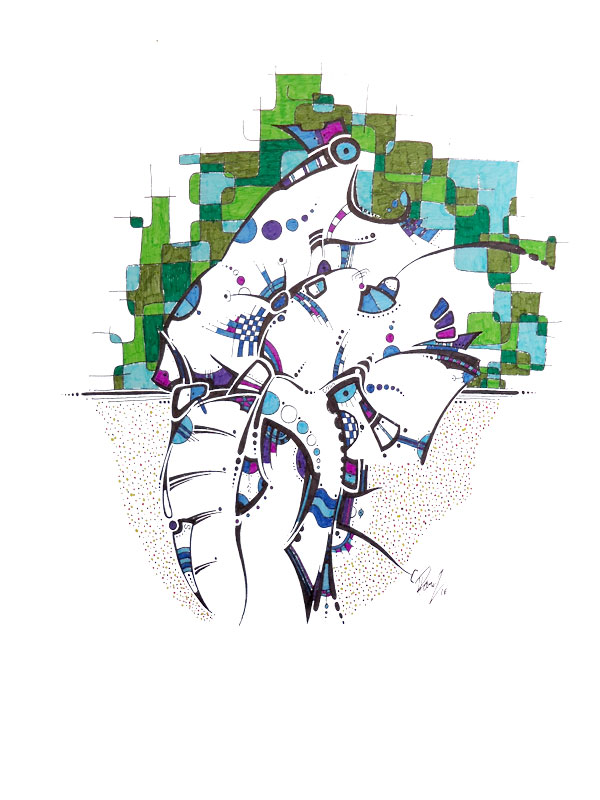
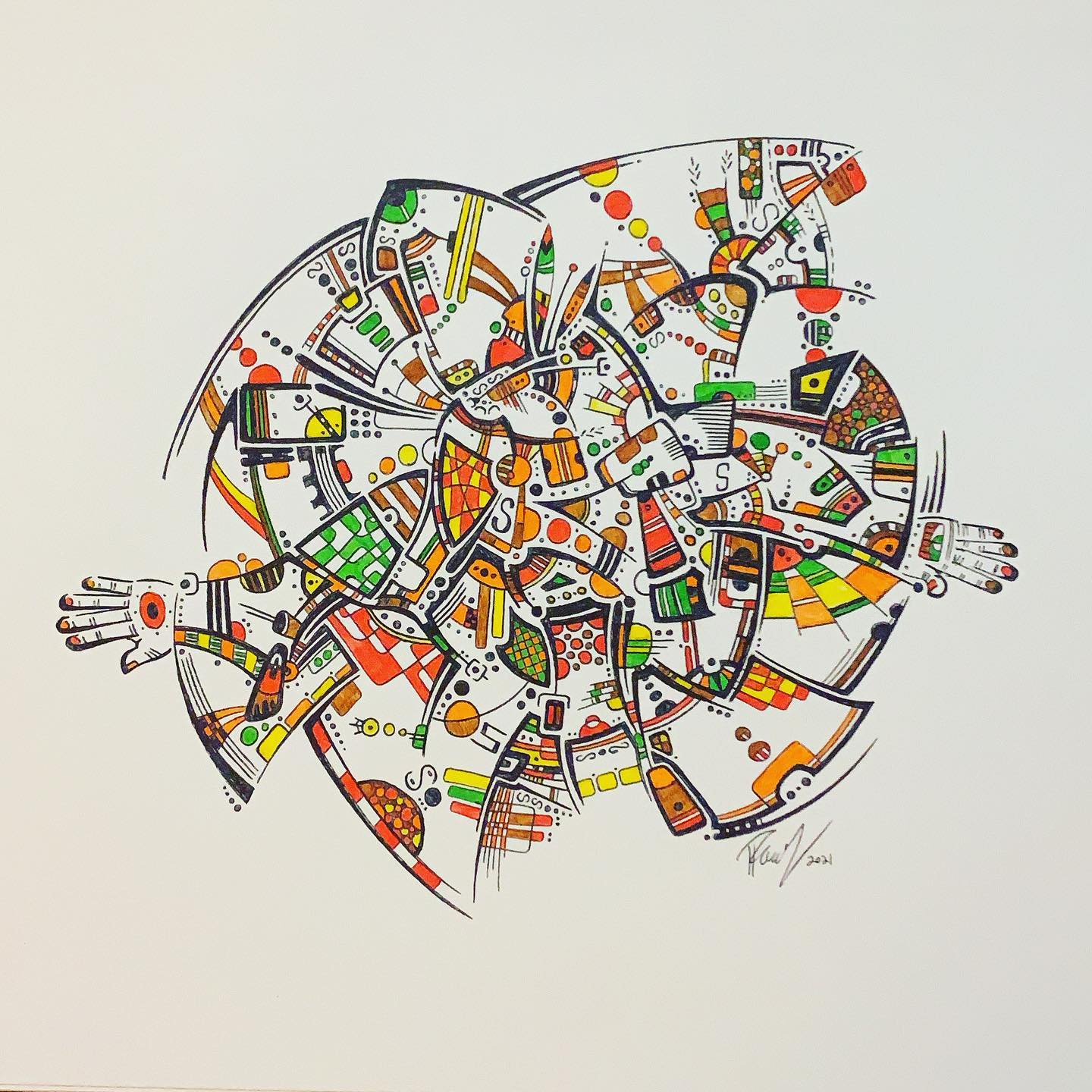
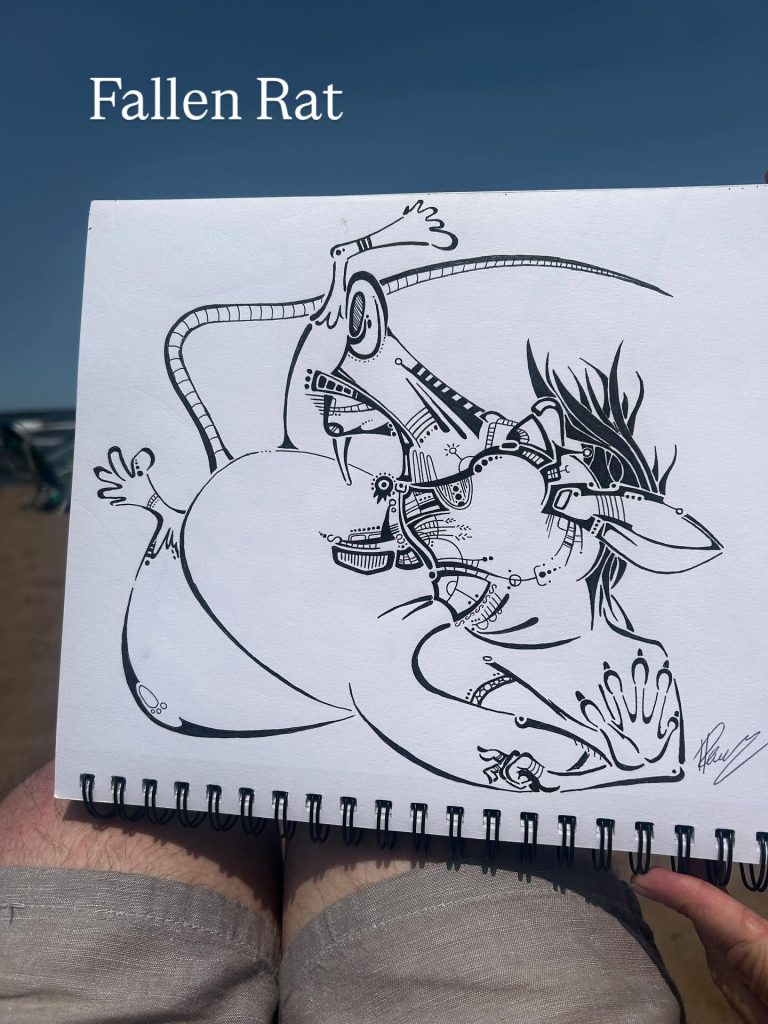
At first glance, the piece presents an arresting, almost surrealist image: a stylized rodent captured mid-topple, its body contorted in a dynamic, gravity-defying pose. However, a closer inspection reveals a deeply intricate, quasi-cybernetic architecture operating beneath the surface.
Visual Flow of "Fallen Rat"
Bold, sweeping outer contours create a sense of weight.
Intricate internal machinery suggests an artificial construct.
A creature inherently vulnerable, yet technologically reinforced.

The Geometry of Motion
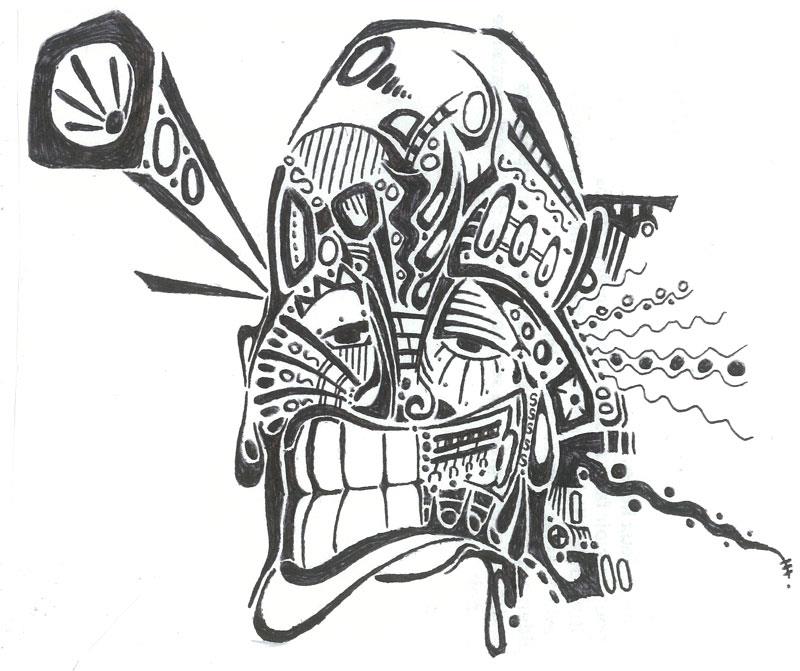
The composition is masterfully anchored by a massive, sweeping curve that defines the rat’s hindquarters. This stark, bold linework lends a tangible sense of weight and mass to the creature’s lower half. In deliberate contrast, the upper body dissolves into a chaotic, mesmerizing array of mechanical patterns.
The artist employs a highly sophisticated vocabulary of biomechanical surrealism. We see elements reminiscent of:
Intricate circuit board geometry
Steampunk-esque gears and cogs
Piston-like anatomical joints
These elements do not merely sit on the skin; they comprise the very anatomy of the subject. The rat’s head, hidden behind sharp, visor-like plates and framed by windswept, ink-black fur, evokes the archetype of a cybernetic organism or a pilot fused to its craft.
The Contrast of Form and Concept
What makes Fallen Rat particularly successful is its conceptual paradox. The rat is traditionally a symbol of survival, grit, and low-level urban life. By augmenting this creature with complex machinery, the artist elevates it into a techno-futuristic entity.
Yet, despite this high-tech enhancement, the creature has “fallen.” It lies upside down, limbs splayed—with beautifully expressive, hand-like paws reaching upward in a gesture that feels remarkably human and vulnerable. The segmented tail arcs dramatically over the body, acting as a compositional frame that forces the viewer’s eye back down into the dense detail of the central torso.
Technique and Medium
The choice of pure black ink on a stark white canvas demands absolute precision. Without the luxury of color or gradient shading to hide behind, the artist relies entirely on line weight optimization and dense hatching to create depth. The balance of negative space (the smooth, open curves of the thigh) against the extreme positive density of the mechanical chest cavity prevents the piece from becoming visually overwhelming. It breathes exactly where it needs to.
Final Verdict
Fallen Rat is a brilliant exercise in graphic stylization. It seamlessly bridges the gap between lowbrow street art aesthetics and high-concept sci-fi illustration. By capturing a moment of technological failure or vulnerability in an otherwise robust machine, the artist leaves us with a lingering question about the fragility of both organic life and our engineered futures.